
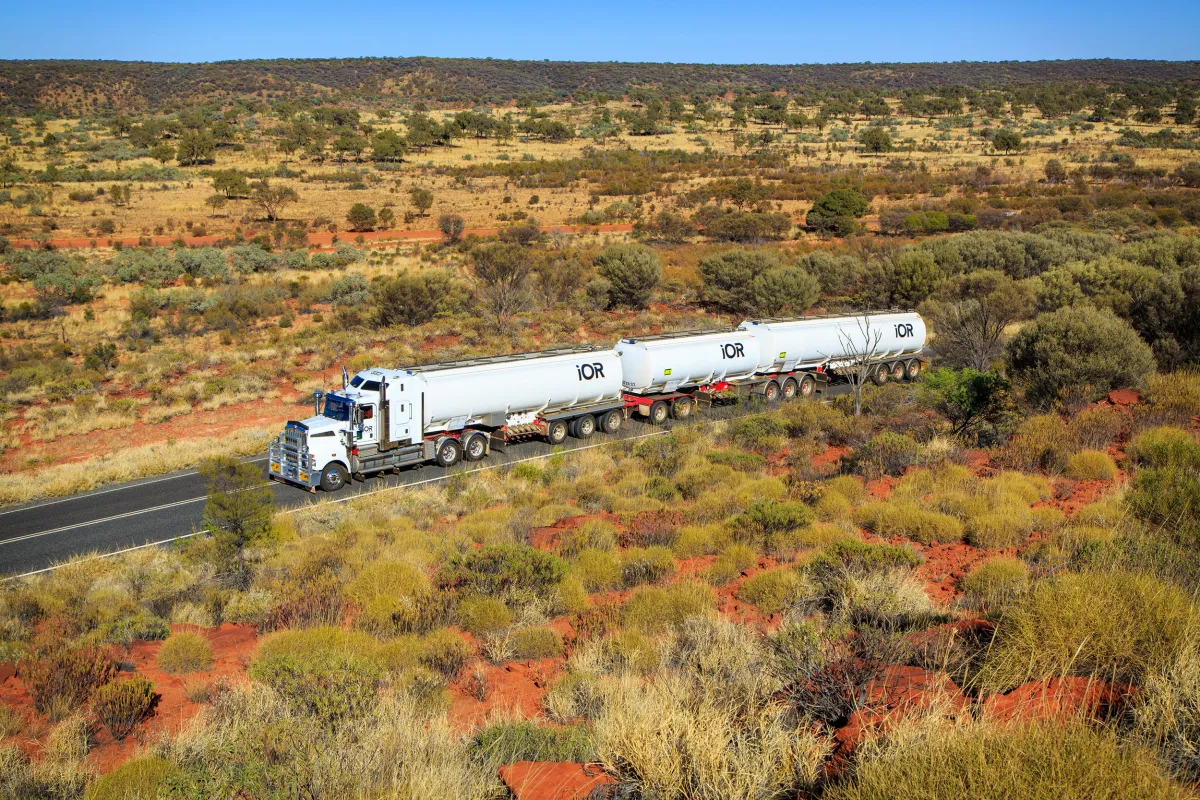
Over the past four decades, Australian-operated fuel and logistics supplier IOR has been supplying fuel to regional, remote and industrial sectors, solving a major barrier to operational continuity –having fuel on-site when and where it’s needed.
John Bonner and Arthur Nommensen founded the company, as Inland Oil Refinery, in 1984 in the outback town of Eromanga in far western Queensland. It was initially established to process locally produced crude from the Cooper Basin, filling a supply void for regional operators that traditional fuel networks struggled to service.
Under the stewardship of Stewart Morland and Ross Mackenzie, who joined the business in the late 1990s, IOR has grown into a national operation employing almost 500 people.
Case study
17 Sep 2026
Spotlight
Success Story
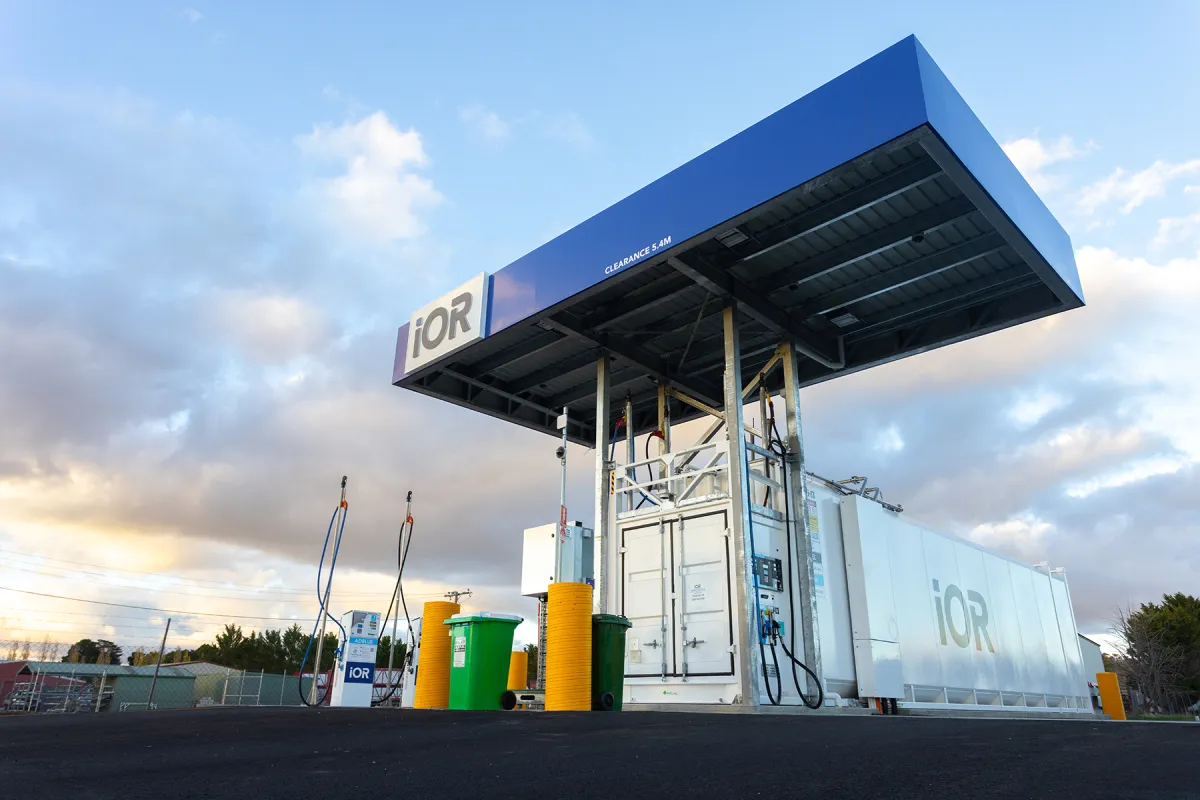
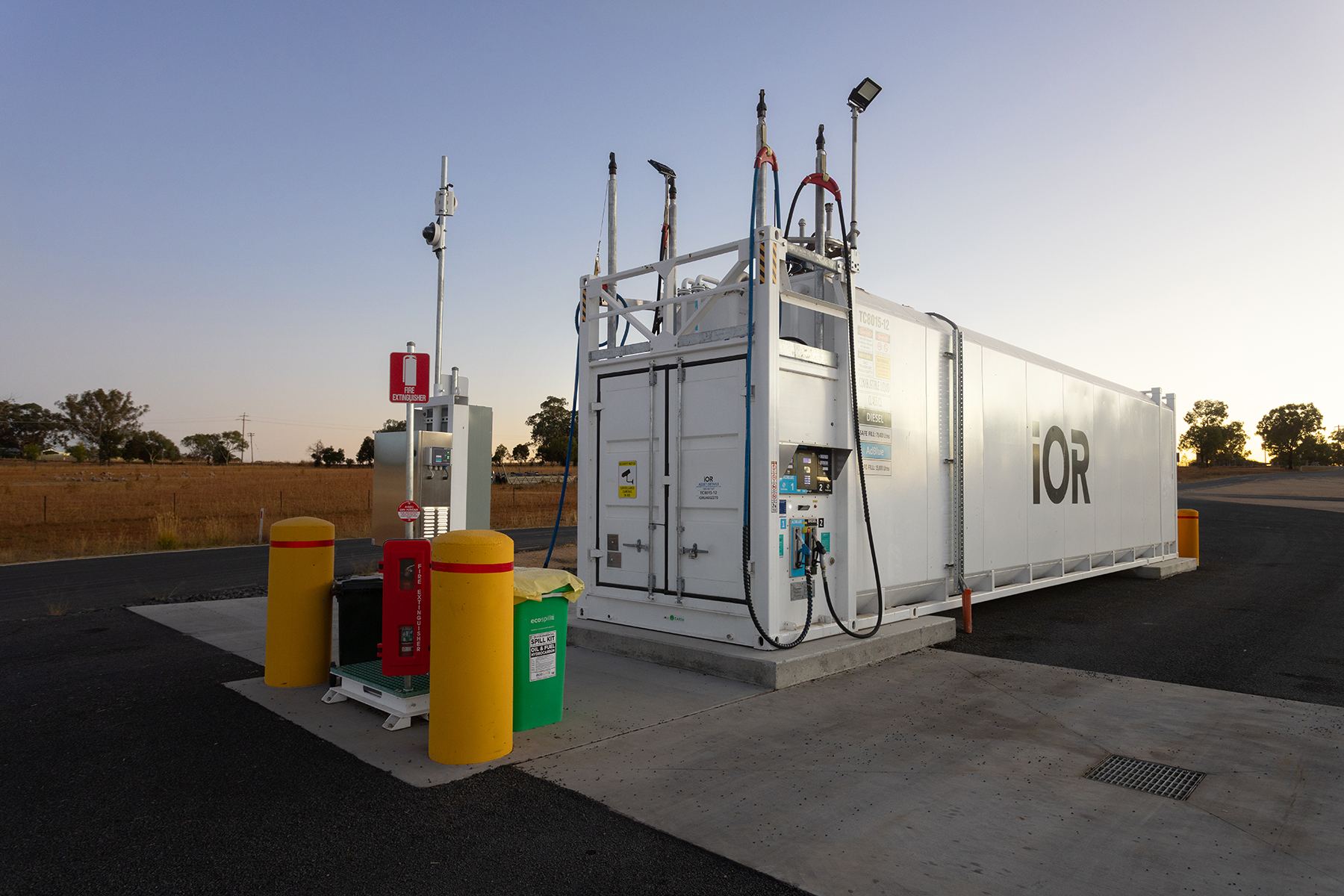
The company now manages import and storage terminals in Queensland and South Australia, operates more than 115 unmanned diesel stops, runs 39 aviation refuelling sites nationwide, a national transport fleet and 17 depots with ‘load-out’ capabilities in regional areas, which allow local distributors to source product for on-sell to their customers. It also boasts in-house engineering and fabrication capability in the Port of Brisbane, where it designs and builds custom tanks, dispensing systems, and fuel technology for customers.
Chief Executive Officer Drew Morland attributes IOR’s success to the company's vertically integrated business model, which spans refining, import and storage, transport and in-house tank manufacturing, alongside proprietary digital technology such as HyDip®, Fuelcharge, and a newly revamped customer portal.
“A simple way to describe IOR is that we help keep businesses moving, especially in regional, remote and industrial locations where reliable fuel supply really matters,” Drew said.
“Beyond fuel, we deliver infrastructure, data and technology solutions that improve visibility, efficiency and control.”
Put simply, IOR works alongside customers to solve their real problems, providing them with a single trusted partner focused on reliability, safety, operational performance and long-term value.
“What sets IOR apart is our ability to be nimble, act quickly and make a real impact for our customers,” Drew said.
“Whether we are supporting operations or projects in rural and remote regions or complex metro areas, our strength is in our resilience and our fully integrated, reliable fuel supply chain.
“We are built to deliver innovative fuel solutions in tough regions, challenging conditions and complex operating environments where reliability really matters.”
The company is also proud of its community focus, supporting organisations that align closely with the industries and communities it serves. This includes LifeFlight, the Surf Life Saving Queensland Rescue Helicopter Service, Heart of Australia and It’s a Bloke Thing.
“These partnerships matter because they support people in regional and remote areas, emergency response, health services and practical community outcomes,” Drew said.
IOR uses the Industry Capability Network (ICN) and its powerful procurement platform, Gateway, to track infrastructure and resource developments across regional Australia, identifying emerging project supply chains early. The company is particularly keen to identify opportunities to be involved with the 2032 Brisbane Olympic and Paralympic Games.
Currently, IOR uses Gateway primarily as a market intelligence tool, setting up automated notifications for procurement categories related to bulk fuel supply, storage equipment and fuel management technology. This allows the company to understand what contractors need and lodge expressions of interest early in the procurement cycle.
According to Drew, IOR sees ICN as a valuable network and platform for identifying project and supply chain opportunities.
“Our relationship with ICN is positive, and we see an opportunity to use it more actively and strategically as the business continues to grow,” he said. IOR has also benefited from ICN’s Gateway optimisation support, available to all ICN members. By working alongside ICN’s team, IOR has recognised three things it can do to improve its Gateway experience:
- update its profile to align with upcoming tier-one contract requirements
- establish direct touchpoints with ICN’s expert regional consultants
- implement formal internal metrics to trace awarded supply packages directly back to initial ICN referrals, allowing for clearer assessment of platform value.
This strategic approach to maximise the benefits of ICN and Gateway is bound to hold IOR in good stead as major sporting, industrial and infrastructure investments continue to be planned and developed across Australia.
For more information about IOR, go to www.ior.com.au.